A deep sense of grief has settled over several communities in Tamil Nadu following the deaths of seven women workers in a suspected gas leak at a seafood processing plant in Tiruvallur district. What began as an ordinary workday ended in tragedy, leaving families shattered, communities in mourning, and authorities under pressure to determine exactly what went wrong.
Thank you for reading this post, don't forget to subscribe!The incident occurred during regular operations at the seafood processing facility, where dozens of workers were carrying out their daily responsibilities. According to initial reports, employees noticed an unusual odor spreading through part of the factory. Within a short period, several workers began experiencing breathing difficulties, dizziness, and discomfort. Panic soon erupted as some workers collapsed, prompting colleagues to seek immediate assistance.
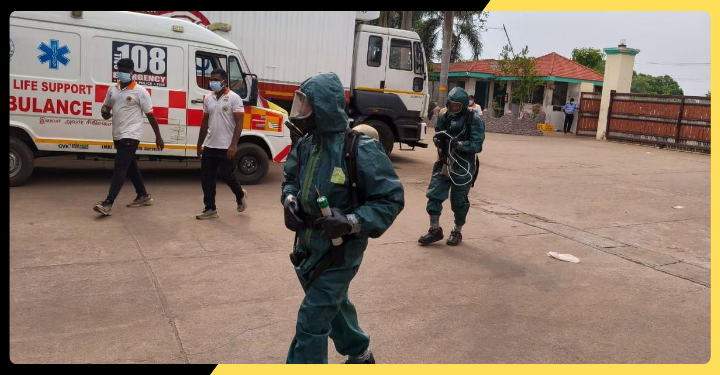
Emergency response teams were called to the scene, and ambulances quickly transported affected workers to nearby hospitals. Medical personnel worked to stabilize the victims and provide emergency treatment. Despite their efforts, seven women workers lost their lives. Several others required hospitalization and continued medical observation following suspected exposure to toxic fumes.
The tragedy has had a devastating impact on the families of the victims. Many of the women were the primary earners in their households, contributing significantly to their families’ financial stability. Their sudden deaths have left loved ones struggling not only with emotional pain but also with uncertainty about the future.
Relatives gathered at hospitals and government offices in the aftermath of the incident, seeking information and answers. Family members described the victims as hardworking women who had left home expecting a normal day at work. Instead, their families received heartbreaking news that would change their lives forever.
For many households, the loss extends beyond emotional suffering. The deceased workers often played crucial roles in supporting children’s education, paying household expenses, and caring for elderly family members. Their absence has created challenges that will continue long after the immediate shock of the tragedy fades.
Community members have come together to support grieving families. Neighbors, local organizations, and social groups have offered condolences and assistance, recognizing the enormous impact the incident has had on the affected families. Vigils and gatherings have been organized in some areas to honor the memory of the women who lost their lives.
Authorities have launched a formal investigation into the circumstances surrounding the accident. Officials are examining factory operations, equipment, and safety procedures to determine how the suspected gas leak occurred. Investigators are also reviewing maintenance records and interviewing workers and management personnel as part of the inquiry.
The incident has raised serious concerns about worker safety in industrial environments. Labor unions and worker rights advocates have called for a comprehensive review of safety standards, arguing that no employee should face life-threatening risks while performing routine duties. They have emphasized the need for stronger enforcement of regulations and more frequent inspections of industrial facilities.
Government representatives have expressed condolences to the victims’ families and announced compensation measures. Authorities have promised a transparent investigation and assured the public that appropriate action will be taken if any violations of safety regulations are identified. Officials have also pledged support for families affected by the tragedy.
Industrial safety experts note that incidents involving toxic gases can have catastrophic consequences if proper safeguards are not in place. Facilities handling chemicals or refrigeration systems are expected to maintain strict safety protocols, including gas detection systems, emergency alarms, evacuation plans, and worker training programs. Experts stress that these measures are essential for preventing accidents and minimizing harm when emergencies occur.
Medical professionals treating survivors have highlighted the dangers associated with toxic gas exposure. Depending on the substance involved, victims may suffer respiratory distress, lung damage, neurological complications, and other serious health problems. Some survivors may require long-term medical monitoring to ensure that delayed health effects are properly addressed.
The seafood processing industry plays a vital role in providing employment opportunities, particularly for women. However, the Tiruvallur tragedy has renewed discussions about balancing economic activity with worker protection. Advocacy groups argue that industrial growth should never come at the expense of employee safety and well-being.
As investigations continue, many people are hoping that the findings will lead to meaningful reforms. Worker representatives have called for improved safety training, stricter compliance monitoring, and investments in modern safety technologies capable of identifying hazards before they become emergencies.
The loss of seven women workers has become a painful reminder of the human cost of workplace accidents. Behind every statistic is a family coping with grief, a community facing loss, and dreams that were abruptly cut short. Their stories have resonated across the state, prompting reflection on the responsibilities shared by employers, regulators, and society as a whole.
For the families left behind, justice and accountability remain important priorities. They want answers about how the accident occurred and assurance that lessons will be learned from the tragedy. Many hope that the suffering they have endured will lead to improvements that protect other workers from similar dangers.
The Tiruvallur seafood processing plant accident will be remembered as a heartbreaking event that claimed seven lives and changed countless others forever. As communities mourn and investigations move forward, the focus remains on honoring the victims, supporting their families, and ensuring that workplace safety remains a non-negotiable priority in every industrial setting.
The tragedy serves as a powerful reminder that every worker deserves a safe environment in which to earn a living. Protecting that right is essential to preventing future losses and building workplaces where safety and human dignity come first.