
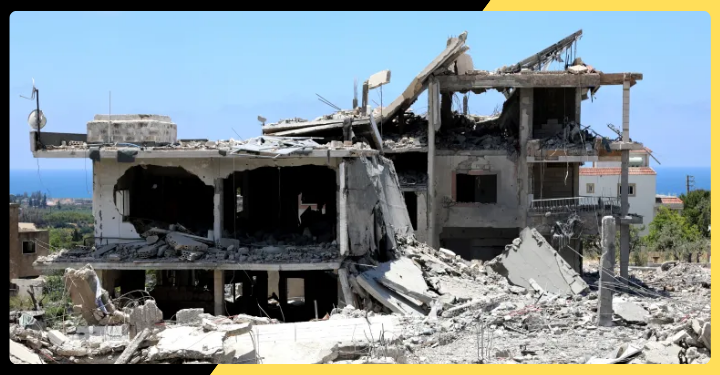
Efforts to ease tensions in the Middle East have suffered a significant setback following Israeli airstrikes in Lebanon that reportedly killed 22 people. The attacks have raised fresh concerns about regional stability and cast doubt on ongoing diplomatic initiatives designed to reduce conflict and encourage dialogue among key regional actors. As international leaders assess the situation, many fear that hard-won diplomatic progress could be jeopardized by the latest escalation.
Thank you for reading this post, don't forget to subscribe!The strikes occurred in southern Lebanon, a region that has frequently been the site of military confrontations due to its proximity to the Israeli border. Israeli authorities stated that the operation targeted security threats and was intended to prevent attacks against Israeli territory. Lebanese officials strongly condemned the strikes, reporting civilian casualties and warning that the violence could provoke further instability throughout the region.
The timing of the incident has made it particularly significant. In recent months, diplomats have been working to maintain channels of communication between rival powers and reduce the likelihood of broader regional conflict. Although negotiations have faced numerous obstacles, there was cautious optimism that dialogue could help address longstanding disputes. The latest violence now threatens to undermine those efforts and create new barriers to diplomatic engagement.
Political analysts note that military escalations often have a profound impact on diplomatic initiatives. Negotiations require trust, patience, and a willingness to compromise. When violence erupts, public opinion can shift rapidly, making it more difficult for leaders to support dialogue. Hardline factions frequently gain influence during periods of conflict, arguing that military strength rather than diplomacy offers the best path forward.
The strikes have also drawn attention to the broader challenges facing the Middle East. The region remains affected by a range of interconnected conflicts involving state and non-state actors. Disputes over territory, security, political influence, and ideological differences continue to shape regional dynamics. As a result, developments in one country often have consequences for neighboring states and international diplomatic efforts.
For Lebanon, the latest violence arrives at a particularly difficult moment. The country has been struggling with economic difficulties, political divisions, and weakened public institutions. Many citizens already face significant hardships, and renewed military activity threatens to increase insecurity and disrupt daily life. Communities near affected areas have expressed concerns about displacement, safety, and the possibility of further escalation.
The humanitarian consequences of the strikes are also a major concern. Families who lost loved ones face emotional and financial challenges, while medical facilities must respond to the needs of those injured in the attacks. Humanitarian organizations have called for the protection of civilians and urged all parties to respect international humanitarian principles.
The diplomatic implications extend beyond Lebanon. Ongoing discussions involving the United States, Iran, and other regional stakeholders could be affected by the deterioration in security conditions. Diplomats working to reduce tensions may find it more difficult to maintain momentum if military confrontations continue. The strikes could also influence political calculations in several capitals, leading leaders to reassess their strategies and priorities.
International reactions have largely focused on the need for restraint. Governments and international organizations have urged all sides to avoid actions that could trigger further violence. Many diplomatic representatives argue that preserving communication channels is essential, particularly during times of crisis. They stress that dialogue remains one of the few effective tools for preventing conflicts from expanding.
Security experts warn that the coming days will be critical. If retaliatory actions occur or military operations intensify, the region could face a prolonged period of instability. Such a scenario would likely complicate diplomatic initiatives and increase the risk of broader confrontation. Conversely, successful mediation efforts could help contain tensions and create opportunities for renewed engagement.
The events in Lebanon highlight the fragile nature of diplomatic progress in conflict-prone regions. While negotiations often move slowly and face repeated setbacks, they remain vital for reducing tensions and preventing future crises. The challenge for regional and international leaders is to ensure that short-term military developments do not permanently derail long-term peace efforts.
As the Middle East confronts another moment of uncertainty, the stakes remain exceptionally high. The future of ongoing diplomatic initiatives, regional stability, and humanitarian conditions may depend on whether leaders choose escalation or dialogue. The deadly strikes in Lebanon have underscored the urgency of that decision and the importance of pursuing solutions that prioritize both security and peace.


