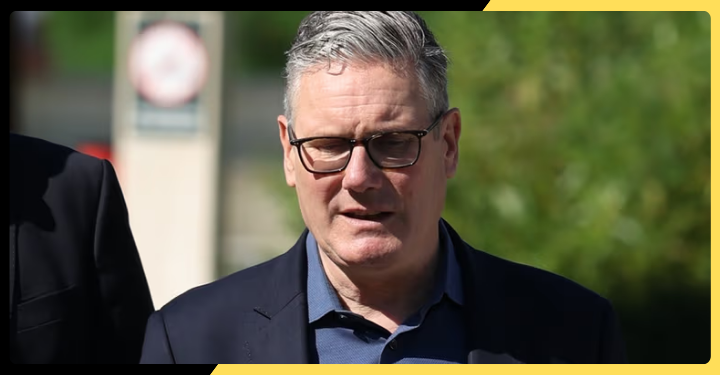
The resignation of Prime Minister Keir Starmer represents a major turning point for British politics. Leadership changes at the highest level of government often have far-reaching consequences, and Starmer’s departure is likely to influence the political landscape in multiple ways.
Thank you for reading this post, don't forget to subscribe!At the most immediate level, the resignation creates uncertainty about the future direction of the Labour government. A new leader may choose to maintain existing policies, modify them, or introduce an entirely different approach. As a result, both supporters and critics are closely examining what comes next.
Starmer’s leadership was defined by efforts to present Labour as a responsible and pragmatic governing party. He focused on economic stability, institutional reform, and rebuilding public confidence. While these priorities attracted support from many voters, they also generated debate within Labour about how ambitious the party should be in pursuing change.
The leadership transition now provides an opportunity for those debates to take center stage. Candidates seeking to replace Starmer will likely present competing visions for the future, giving party members a chance to shape Labour’s next phase.
The impact extends beyond Labour itself. Opposition parties are reassessing their strategies in light of the resignation. A strong and united Labour leadership could reinforce the party’s position in government, while a divisive contest could create opportunities for rivals to gain support.
Parliament is also likely to feel the effects of the transition. Leadership changes often alter political dynamics, influence legislative priorities, and reshape relationships between parties. The next prime minister will need to establish authority quickly and demonstrate an ability to manage both government and party affairs effectively.
Public opinion will play a crucial role in determining the long-term consequences of the resignation. Voters generally value stability and competence, particularly during periods of economic and social uncertainty. Labour’s ability to manage the transition smoothly could significantly influence future electoral outcomes.
Economic considerations are another important factor. Investors and business leaders frequently monitor political developments for clues about future policy. Questions about taxation, regulation, public spending, and economic growth are likely to remain central to discussions surrounding the leadership change.
Internationally, Britain’s allies and partners will be watching closely. Foreign governments often seek continuity and predictability in diplomatic relationships. The incoming leader will need to reassure international partners that Britain remains committed to its existing obligations and strategic priorities.
Some analysts argue that the resignation could ultimately strengthen Labour by allowing the party to address internal tensions and refresh its message. Others warn that prolonged uncertainty could weaken public confidence and distract attention from policy goals.
The coming months will therefore be critical. The leadership contest, the response of party members, and the reaction of the public will all help determine whether Labour emerges stronger or faces additional challenges.
What is certain is that Starmer’s departure marks the end of a significant chapter in British politics. His resignation has triggered a process that will shape the future of government, influence national debate, and affect the political fortunes of every major party.
As Britain moves forward, the decisions made during this transition period will have lasting consequences. The next leader will inherit not only the responsibilities of government but also the challenge of defining a new political era for the country.