
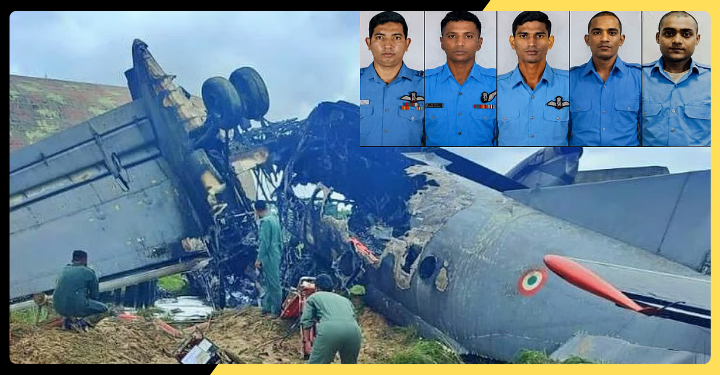
The AN-32 crash near Jorhat serves as an important reminder of the need for continuous improvement in aviation safety. Every accident, while tragic, provides valuable lessons that can strengthen operational procedures and reduce future risks.
Thank you for reading this post, don't forget to subscribe!One of the key lessons involves the importance of proactive maintenance and modernization programs. As aircraft age, maintaining reliability requires comprehensive inspections, timely repairs, and technological upgrades. Investments in newer platforms can further enhance safety and operational efficiency.
Training remains another critical factor. Pilots and crew members must regularly update their skills to address evolving challenges. Simulation exercises, emergency response training, and scenario-based learning contribute significantly to preparedness and decision-making capabilities.
Advancements in aviation technology also offer opportunities for improved safety. Enhanced navigation systems, weather monitoring tools, and predictive maintenance technologies can help identify potential issues before they become critical. Integrating these innovations into military operations can reduce accident risks.
Organizational learning is equally important. Recommendations arising from investigations should be implemented effectively and monitored over time. Establishing a strong safety culture encourages personnel at all levels to prioritize risk management and continuous improvement.
Ultimately, the loss of five Indian Air Force personnel is a profound tragedy. Their sacrifice underscores the dedication of those who serve the nation. By learning from the incident and strengthening safety measures, the armed forces can honor their memory while enhancing the protection of future generations of air warriors.


