
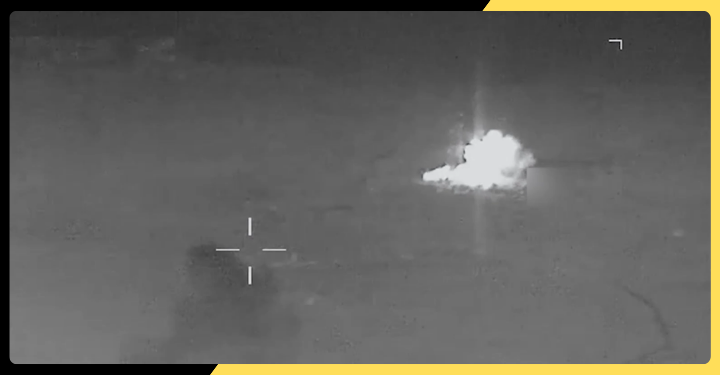
Tensions across the Middle East have intensified following recent U.S. military action against Iran, placing Bahrain and Kuwait on increased security alert as governments prepare for possible regional consequences. The two Gulf nations are closely monitoring developments and strengthening defensive measures amid concerns that a larger confrontation could threaten stability across the region.
Thank you for reading this post, don't forget to subscribe!Bahrain and Kuwait have not reported any direct attacks following the U.S. strikes, but officials say they are taking necessary precautions to protect citizens, residents, and national infrastructure. Security agencies in both countries have increased coordination, reviewed emergency plans, and enhanced monitoring of potential threats as diplomatic and military tensions continue to rise.
The crisis follows U.S. strikes against Iranian military-linked facilities, which Washington described as a necessary action to address security concerns and protect American interests in the Middle East. U.S. officials stated that the operation focused on reducing threats connected to Iran’s military activities. Tehran strongly rejected the strikes, accusing the United States of escalating tensions and warning that it would respond to what it considered an attack on its sovereignty.
The possibility of retaliation has raised concerns among Gulf nations, particularly those with close defense relationships with Washington. Bahrain and Kuwait are considered strategically important partners because they host significant U.S. military operations. Bahrain is home to the headquarters of the U.S. Navy’s Fifth Fleet, while Kuwait provides important logistical support for American forces operating throughout the region.
In Bahrain, authorities have increased security around sensitive locations, including military facilities, energy sites, airports, ports, and government institutions. Defense and security officials have strengthened surveillance operations and maintained close communication with international partners. Officials have urged the public to remain calm and continue normal activities while following safety guidance from official sources.
Kuwait has also enhanced security procedures around critical infrastructure and strategic locations. Government agencies responsible for defense, public safety, and emergency response have reviewed preparedness plans to ensure they can respond quickly to any possible developments. Officials have emphasized that these actions are designed to maintain national security and public confidence.
The broader regional impact of the crisis has attracted international attention because the Gulf plays a central role in global energy markets. Bahrain, Kuwait, and neighboring Gulf countries are connected to some of the world’s most important oil and gas supply networks. Any disruption caused by military escalation could affect energy prices, international shipping, and economic conditions worldwide.
The Strait of Hormuz remains a major concern for governments and markets. The narrow waterway is a vital route for transporting oil from the Gulf to international markets. Security threats affecting shipping lanes could increase transportation costs and create uncertainty for energy-dependent economies around the world.
Financial markets have responded cautiously as investors evaluate the possibility of a prolonged confrontation. Oil prices have shown volatility, while businesses involved in shipping and international trade are closely monitoring the situation. Analysts say that even limited military incidents could have wider economic consequences if they affect confidence in regional stability.
Defense experts explain that Bahrain and Kuwait have strengthened their military capabilities over many years. Modern air-defense systems, advanced surveillance technology, and cooperation with international allies provide important protection against possible missile and drone threats. However, experts note that no security system can completely eliminate risks during a major regional crisis.
Diplomatic efforts are continuing as world leaders call for restraint and dialogue. International organizations have warned that further escalation could create serious humanitarian, economic, and security challenges. Several governments have encouraged Washington and Tehran to seek diplomatic solutions rather than allowing tensions to develop into a wider conflict.
Despite the uncertainty, daily life in Bahrain and Kuwait remains largely stable. Businesses continue operating, public services remain available, and transportation networks are functioning normally. Authorities have advised people to avoid rumors and rely on official updates to understand the situation accurately.
Political analysts believe the future direction of the crisis will depend on decisions made by regional and global powers. A move toward negotiations could reduce tensions, while further military actions could increase the risk of a wider confrontation involving multiple countries.
For Bahrain and Kuwait, the challenge is maintaining national security while avoiding unnecessary escalation. Both nations have repeatedly expressed their commitment to regional peace, economic development, and diplomatic cooperation. Their current approach focuses on preparedness, communication, and cooperation with international partners.
The latest developments demonstrate the fragile security environment in the Gulf and the importance of diplomacy in preventing further instability. As governments continue monitoring events closely, Bahrain and Kuwait remain focused on protecting their populations while supporting efforts to restore calm across the Middle East.
The coming days will be crucial in determining whether the region moves toward stability or faces a deeper crisis. With international attention focused on the Gulf, leaders around the world are urging caution and cooperation to prevent further escalation and preserve peace in one of the most strategically important regions on the planet.