
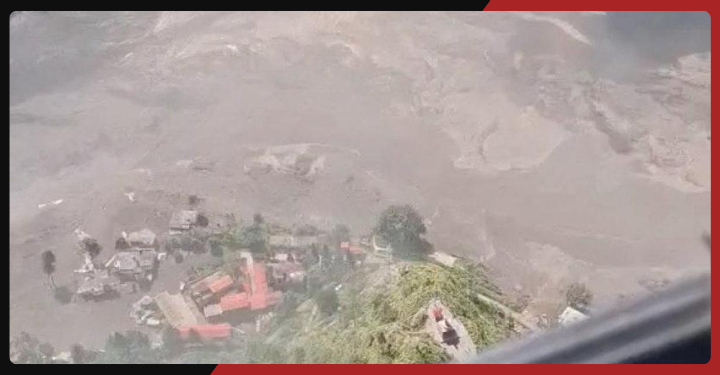
Nepal is facing a major humanitarian emergency after a powerful flash flood struck the Himalayan region on Wednesday, killing people, leaving hundreds missing and destroying critical infrastructure. The disaster has affected Rasuwa district near the Tibet border and prompted immediate assistance from neighbouring India and China.
Thank you for reading this post, don't forget to subscribe!The flood swept through areas along the Bhotekoshi River system, carrying enormous amounts of water, mud and debris. Several settlements were badly affected, while roads and bridges were destroyed.
The disaster has also disrupted important infrastructure in the region. Hydropower facilities were among the structures affected, raising concerns about electricity generation and essential services.
The number of casualties remains uncertain. Different reports have provided different figures as rescue teams continue to reach affected locations. The number of people reported missing has also fluctuated, with one widely reported estimate putting the total at around 384.
Among those missing are approximately 105 Indian nationals. Foreign tourists from several countries are also believed to have been travelling in the affected area. The region is a major route for travellers heading towards Tibet and Mount Kailash.
Nepalese authorities have launched rescue operations involving police, military personnel and emergency teams. However, the mountainous geography and damage to roads and bridges have created major logistical difficulties.
The flood also affected areas on the Chinese side of the border. Chinese authorities deployed hundreds of rescuers after infrastructure around the Gyirong area was damaged.
In Nepal, authorities have warned people living along rivers to move towards safer locations. The concern is that water and debris could continue moving downstream after the initial flash flood.
India has responded rapidly to the crisis. Prime Minister Narendra Modi spoke with Nepal’s Prime Minister Balendra Shah and expressed condolences over the loss of lives. Modi assured Nepal that India would provide humanitarian and relief assistance.
India is preparing emergency relief materials, including medicines and rations. The Indian Air Force has reportedly been kept ready for possible humanitarian operations.
The Indian Embassy in Nepal has also activated emergency arrangements because of reports that more than 100 Indians are missing. Families have been urged to use official channels for information about relatives who may have been travelling in the affected region.
The disaster has once again exposed the risks faced by communities living in the Himalayas. Mountain valleys can amplify the impact of flash floods, while landslides and avalanches can suddenly alter river flows.
Preliminary reports indicate that an earthquake may have triggered an ice-rock avalanche that contributed to the flood. Investigators are examining the sequence of events to determine the precise cause.
The disaster also highlights the importance of early warning systems in mountain regions. Even a few minutes of additional warning can be crucial when floodwaters move rapidly through narrow valleys.
For now, Nepal’s emergency agencies are focused on rescue, evacuation and relief. India and China are also preparing assistance as the full extent of the destruction becomes clearer.
The casualty and missing-person figures are likely to change as authorities receive information from remote areas. The coming hours will be critical for locating survivors and delivering essential supplies.
The Nepal floods have become a major regional disaster, but the coordinated response from Nepal, India and China could help accelerate rescue operations and provide much-needed assistance to affected communities.