
The world is watching the Middle East with growing concern after the United States and Iran returned to direct military confrontation, ending hopes that a period of relative calm could prevent another major escalation.
Thank you for reading this post, don't forget to subscribe!American forces launched a new round of strikes against targets in Iran, and Tehran responded with attacks against U.S. military interests across the region.
The exchange has revived fears of a wider conflict involving multiple countries.
The United States said its strikes targeted facilities connected to Iran’s Islamic Revolutionary Guard Corps.
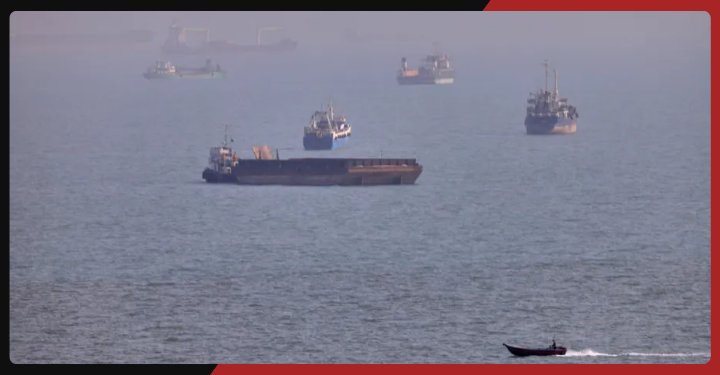
American officials pointed to concerns involving threats against U.S. personnel and commercial shipping, particularly around the strategically important Strait of Hormuz.
Iran responded by demonstrating that it remained prepared to strike American interests beyond its borders.
Missile and drone attacks were reported against U.S. targets in several regional locations, increasing pressure on governments hosting American military forces.
The confrontation is particularly worrying because it involves two powerful military opponents with very different capabilities.
The United States possesses advanced air and naval power and maintains military facilities throughout the Middle East.
Iran has developed significant missile and drone capabilities and can project influence across the region.
This creates the possibility of a conflict that spreads quickly.
A strike in Iran can lead to retaliation in Jordan, Iraq, Bahrain or other countries.
Regional governments therefore face the difficult task of protecting their own populations while avoiding direct involvement in the confrontation.
President Donald Trump has strongly defended the American military operation and warned Iran against further attacks.
Iranian officials, meanwhile, have made clear that they will respond to what they describe as aggression.
The language used by both sides has increased fears that neither government is ready to step back easily.
International diplomacy is now under intense pressure.
World leaders may call for restraint, but successful mediation requires both sides to believe that negotiations are preferable to continued military action.
At the moment, that appears difficult.
Economic consequences have added another dimension to the crisis.
Oil prices have risen sharply because of fears about disruption in the Middle East.
The Strait of Hormuz remains particularly important because of its role in global energy transportation.
A prolonged crisis could therefore affect consumers and businesses far beyond the region.
The conflict also raises questions about the future of security in the Middle East.
Years of tensions, sanctions, military operations and diplomatic failures have created a deeply unstable environment.
Every new confrontation makes rebuilding trust more difficult.
The immediate question is whether the latest strikes will lead to another round of retaliation.
If both sides decide to continue responding militarily, the conflict could expand rapidly.
If diplomatic channels reopen, there may still be an opportunity to prevent a wider war.
For millions of people across the Middle East, the stakes could not be higher.
A major regional war would bring enormous humanitarian, political and economic consequences.
The world is therefore watching every statement from Washington and Tehran, searching for signs of either escalation or restraint.
The coming days may determine whether this latest confrontation becomes another temporary military exchange or the beginning of a much larger and more dangerous conflict.