
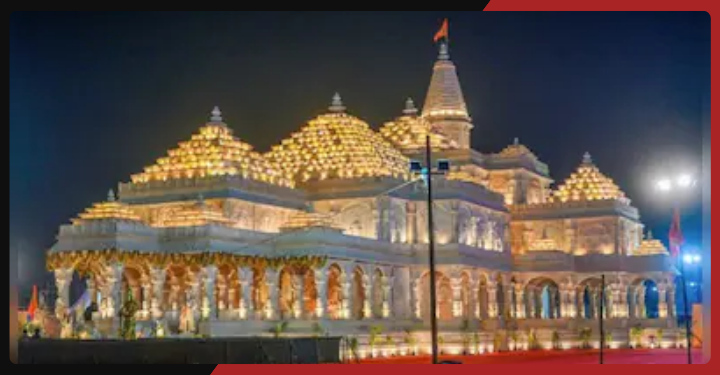
The competition to become the next CEO of the Ram Mandir in Ayodhya has reached the interview stage, with 18 shortlisted candidates being evaluated for one of the country’s most high-profile religious administrative positions. Reports say the first day of interviews involved eight candidates, with questions ranging from personal religious practices to professional plans for the temple.
Thank you for reading this post, don't forget to subscribe!The recruitment process has attracted extraordinary interest. Around 5,200 applications were reportedly received before the final shortlist was prepared. Earlier reports had already indicated that the majority of applicants included experienced administrators and retired officials.
The shortlisted candidates include three former IAS officers, one former IPS officer and four former military officers among those interviewed on the first day. Their backgrounds indicate that the trust is looking for people who have experience managing complex organizations.
However, the interview has also included questions about personal religious life.
Candidates were reportedly asked whether they have faith in Lord Ram, whether they wear a janeu, whether they are vegetarian and whether they consume alcohol. They were also reportedly asked about their knowledge of Hindu customs and whether they would be comfortable following traditional dress practices.
These questions have generated significant curiosity because the CEO position combines administrative responsibility with a religious environment.
The Ram Mandir is a place of worship, but it is also a major public destination. Large numbers of pilgrims visit Ayodhya, creating complex logistical requirements. The person responsible for administration must therefore understand both the religious and operational sides of the institution.
The interview reportedly explored this balance. Alongside personal questions, candidates were asked about leadership, administrative experience, social and religious involvement, their understanding of the temple and their vision for its management.
A previously reported application questionnaire also included questions about educational qualifications and professional experience. The assessment reportedly sought information about leadership abilities, management of large events and long-term plans for the temple trust.
The emphasis on vision is particularly important.
A CEO cannot simply maintain existing systems. The next leader will need to anticipate future challenges. Visitor numbers may continue to rise, requiring better facilities, improved crowd management and more efficient technology.
One major issue will be managing peak-season crowds. Religious festivals can bring huge numbers of devotees to Ayodhya within a short period. The temple administration must be prepared for traffic, queues, security and emergency situations.
Coordination with local authorities will be essential. The CEO will have to work with police, municipal agencies, transport authorities and other departments.
Financial administration will also require careful attention. A major religious institution handling donations must maintain strong accounting and auditing systems.
Transparency will be particularly important because public confidence is central to any institution that receives voluntary contributions from devotees.
Another challenge will be staff management. Temple operations involve employees, priests, volunteers, security personnel, cleaners and service providers. A CEO must create clear responsibilities and ensure that the organization functions smoothly.
Technology can support many of these objectives. Digital systems can improve visitor information, donation management and administrative monitoring. Data can also help authorities understand crowd patterns and prepare for peak periods.
The CEO will additionally have to manage the relationship between tradition and modernization. Introducing new systems cannot come at the cost of religious customs. At the same time, refusing modernization could make it harder to serve a growing number of devotees efficiently.
This is why the selection process is so important. The trust needs someone capable of understanding the institution’s religious identity while possessing the skills necessary to manage a large modern organization.
The interview committee includes retired Supreme Court judge Justice Pramod Kohli, retired Lieutenant General Vishnukant Chaturvedi and former scientist Suresh Haware, according to reports.
The committee is expected to recommend three names. The temple trust will then make the final appointment.
The reported questions about personal habits have inevitably become a major talking point. They raise questions about how institutions should evaluate candidates when professional duties overlap with religious expectations.
Supporters may argue that the CEO should understand and respect the customs of the institution. Others may argue that personal lifestyle choices should not overshadow administrative competence.
Regardless of the debate, the final candidate will have to meet a demanding set of expectations.
The next CEO will be responsible for managing one of India’s most prominent temples at a time when Ayodhya is undergoing rapid development. The position will require leadership, patience, administrative experience and the ability to work with people from different backgrounds.
The interview questions may have started with faith, food and lifestyle, but the ultimate test will be much broader. The successful candidate will have to demonstrate whether they can transform a vision for Ram Mandir into an efficient, transparent and devotee-friendly administrative system.
With the final decision approaching, attention is now focused on which of the 18 shortlisted candidates will make it through the selection process and emerge as the person entrusted with managing the temple’s next phase.


