
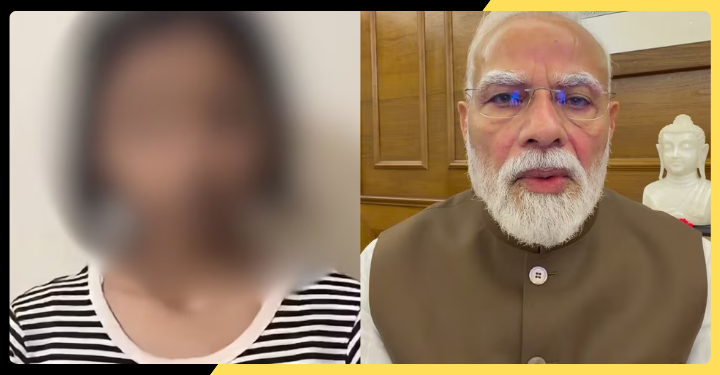
A 15-year-old boy from Noida has found himself at the center of a nationwide controversy after a video allegedly showing him using abusive language against Prime Minister Narendra Modi went viral across social media platforms. While the teenager has now publicly apologized, saying, “I am sorry to the entire nation. I am just 15 years old. I made a mistake. Please forgive me,” the incident has triggered a much broader conversation about responsible social media use, the limits of free speech, the influence of online platforms on young people, and the importance of digital accountability.
Thank you for reading this post, don't forget to subscribe!The controversy began when a short video allegedly featuring the teenager making offensive remarks about Prime Minister Narendra Modi surfaced online. The clip quickly spread across X, Instagram, Facebook, YouTube, and WhatsApp, attracting millions of views within a short period. As users continued sharing the video, it became one of the most discussed topics on social media, drawing sharp reactions from supporters and critics alike.
The widespread attention prompted the teenager to release a public apology. In the video, he folded his hands and addressed the people of India, admitting that he had made a serious mistake. He expressed regret over his words and appealed to citizens for forgiveness, emphasizing that he is only 15 years old and never intended to create such a massive controversy.
The apology video itself soon became viral, with many viewers praising the teenager for accepting responsibility. Several users commented that recognizing one’s mistake is the first step toward personal growth, while others argued that the apology should not erase the seriousness of the original remarks. The differing reactions reflected how deeply divided public opinion remains on issues involving political expression and online behavior.
Authorities reportedly took note of the viral incident after receiving complaints. Since the boy is a minor, any legal proceedings would be governed by the Juvenile Justice (Care and Protection of Children) Act. Unlike the criminal justice system for adults, the juvenile framework in India focuses on rehabilitation, counseling, education, and reform rather than punishment. Legal experts note that the law recognizes that adolescents often lack the maturity and judgment expected from adults.
The case has also renewed discussion about the constitutional right to freedom of speech. Article 19(1)(a) of the Indian Constitution guarantees citizens the right to express their opinions freely. However, Article 19(2) allows the government to impose reasonable restrictions in matters involving public order, defamation, decency, morality, and the sovereignty and integrity of the nation. Experts point out that while criticism of political leaders is protected in many situations, abusive or unlawful speech may be examined under applicable laws depending on the facts of each case.
Beyond the legal debate, the incident has highlighted the enormous influence of social media on today’s youth. Teenagers now spend a significant portion of their daily lives online, where trends, challenges, and viral content shape opinions and behavior. Many young users seek popularity by posting controversial content without fully understanding the consequences that may follow.
Child psychologists explain that adolescence is a stage of emotional and cognitive development. Young people often act impulsively and may be influenced by peers, online personalities, or the desire for attention. Specialists believe that while inappropriate behavior must be addressed, education and counseling are generally more effective than harsh punishment in helping minors understand the impact of their actions.
Education experts argue that digital literacy should become a compulsory part of school education. Students should be taught not only how to use technology but also how to communicate respectfully, identify misinformation, understand cyber laws, and think carefully before posting content online. Responsible digital citizenship is increasingly viewed as an essential life skill in the modern era.
Parents have also expressed concern following the controversy. Many believe that greater supervision is necessary as children gain easier access to smartphones and social media. Experts recommend that families regularly discuss online safety, respectful communication, and the permanent nature of digital content. Once a video becomes viral, removing it entirely from the internet is often impossible, making every online action potentially long-lasting.
Political analysts observe that the controversy also reflects the changing nature of public discourse in India. Social media has become a powerful platform for expressing opinions, but it has also contributed to increasing polarization. Constructive criticism is widely accepted in democratic societies, yet personal abuse often shifts attention away from meaningful debate and creates unnecessary conflict.
The role of algorithms has also come under discussion. Social media platforms tend to promote highly engaging content, which often includes controversial videos. As a result, clips that provoke strong emotional reactions can spread rapidly, reaching millions of people before context or verification becomes available. This makes responsible posting more important than ever.
Public opinion remains divided over how the teenager should be treated. One section believes that insulting constitutional authorities should invite legal consequences regardless of age, while another argues that the boy’s public apology and willingness to admit his mistake deserve consideration. Many believe the incident should be treated as a learning experience rather than a defining moment in the teenager’s life.
Experts emphasize that the objective of juvenile justice is not simply to respond to misconduct but to ensure that children receive opportunities to reform. Counseling, awareness programs, and family support can help young individuals understand the importance of respectful communication and responsible citizenship.
The Noida teenager’s apology may have brought an end to the immediate controversy, but it has also left behind important lessons for society. It reminds young people that every word shared online carries responsibility, and that the internet is not a space free from consequences. A single moment of poor judgment can quickly become national news, affecting not only the individual involved but also sparking broader discussions about law, ethics, and public behavior.
Ultimately, this incident serves as a powerful reminder of the responsibilities that come with freedom of expression in the digital age. Respectful dialogue, informed opinions, and thoughtful communication remain essential values in a democratic society. While the teenager has admitted his mistake and sought forgiveness, the larger conversation about social media responsibility, digital ethics, and youth awareness is likely to continue long after the controversy fades.