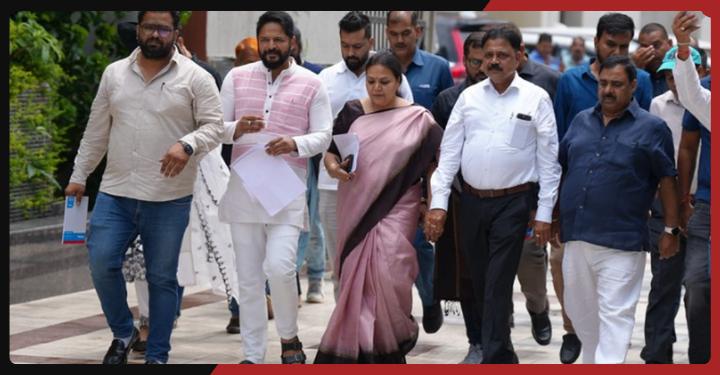
The standoff between the Jharkhand government and protesting students remains unresolved after another round of negotiations failed to produce a breakthrough. Government representatives held discussions with another faction of protesters, but the meeting ended without an agreement.
Thank you for reading this post, don't forget to subscribe!The failure of the talks means the student agitation will continue, keeping pressure on the government to address the concerns raised by the protesters.
The movement has emerged around demands connected with issues important to students and job aspirants. For many young people, government examinations and recruitment opportunities are crucial steps towards securing employment. As a result, any dispute involving these processes can quickly become a major concern for the student community.
Student groups have maintained that their demands require a serious response from the authorities. They have continued to call for concrete steps and greater clarity, rather than relying solely on verbal assurances.
The government has attempted to address the situation through dialogue. Meeting different factions of the protest movement is part of that effort. However, the latest unsuccessful meeting suggests that the administration has not yet been able to find a formula acceptable to the protesters.
The presence of multiple factions could be an important factor in the negotiations. If different groups have different demands or expectations, the government may need to conduct a broader consultation before a final settlement can be reached.
Students, meanwhile, have shown no immediate willingness to end the protest. The continuation of the agitation indicates that they believe their principal concerns remain unanswered.
The situation presents challenges for both sides. The government needs to maintain public order while respecting the students’ right to protest. The students, on the other hand, need to maintain their movement peacefully while continuing negotiations with the authorities.
A negotiated settlement could provide the most practical way forward. This could involve clear commitments from the government, timelines for implementation and continued communication with student representatives.
The latest failure, however, means that such a settlement remains out of reach for now.
The protest also raises broader questions about how governments respond to student grievances. Young people preparing for examinations and seeking employment often face considerable pressure. When they believe that government systems are uncertain or unfair, frustration can quickly translate into collective action.
The Jharkhand administration will therefore face continued pressure to demonstrate that it is willing to address the issues raised by the protesters.
Further meetings may now become necessary. If the government can bring representatives from different factions together, negotiations could potentially make greater progress. The students may also use the coming days to coordinate their demands and decide on the next course of action.
For now, the deadlock remains firmly in place. The latest government talks have ended without a breakthrough, and the protesters have made it clear that the agitation will continue.
The situation is likely to remain closely watched as both sides consider their next steps. Whether the dispute moves towards compromise or another phase of protest will depend largely on the government’s response and the willingness of student leaders to continue negotiations.
For the moment, Jharkhand’s student protest remains unresolved, with dialogue continuing but a final settlement still elusive.