Crude oil markets settled into a more stable range after a period of sharp volatility triggered by geopolitical uncertainty and evacuation-related reports near the Strait of Hormuz. The episode highlighted how quickly energy prices can swing when developments emerge in one of the world’s most strategically important oil transit corridors, even when actual supply flows remain largely unaffected.
Thank you for reading this post, don't forget to subscribe!The initial reaction in the oil market was swift and pronounced. Traders pushed crude prices higher as early reports suggested potential risks to shipping activity through the Strait. Given that this narrow waterway is responsible for a significant portion of global seaborne oil trade, any perceived threat tends to trigger immediate risk repricing. Benchmark contracts such as Brent crude and West Texas Intermediate surged as market participants moved to hedge against possible supply disruptions.
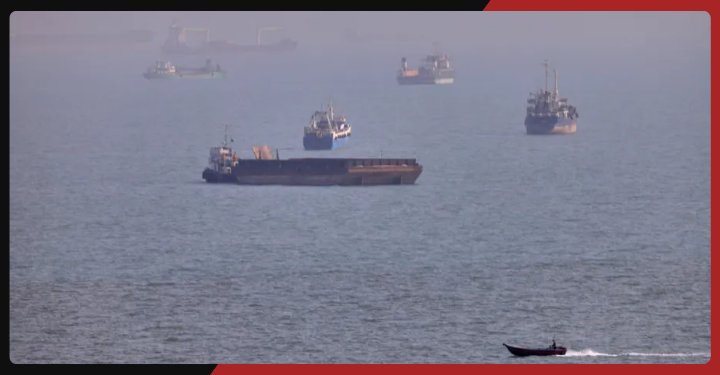
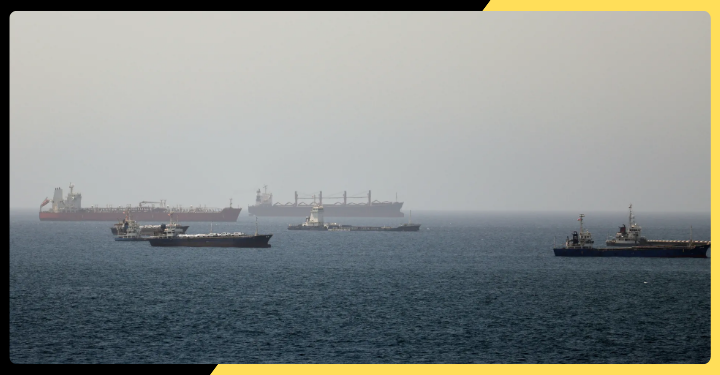
However, the bullish momentum did not sustain for long. As more detailed maritime information became available, it became clear that tanker traffic was continuing through the Strait with limited disruption. While security conditions were closely monitored and caution increased among shipping operators, there was no confirmation of closures or physical interruptions to oil exports. This helped calm market fears and reduce the geopolitical risk premium embedded in prices.
As confidence returned, crude prices began to ease from their earlier highs. Traders who had entered the market during the initial spike started to take profits, contributing to a steady decline in futures prices. This reversal reflected a broader reassessment of risk, as investors distinguished between headline-driven fear and actual supply-side constraints.
Market analysts noted that the oil market often reacts strongly to uncertainty in the Middle East, but sustained price increases typically require tangible disruptions to production or transportation infrastructure. In this case, the absence of confirmed damage or blockage meant that the initial rally was largely speculative in nature and therefore vulnerable to correction.
Underlying supply conditions also played a stabilizing role. Global oil production remained steady, and there were no significant changes in output policies from major exporting countries during the period. Additionally, inventory levels in key consuming regions remained sufficient, reducing immediate concerns about supply shortages.
Financial trading dynamics further influenced the stabilization process. Algorithmic trading systems, which quickly respond to geopolitical signals, initially intensified price movements upward. However, as subsequent reports reduced perceived risk, automated selling and position adjustments accelerated the downward correction, helping bring prices back into equilibrium more quickly.
Shipping and insurance markets mirrored this shift in sentiment. Freight rates and war-risk premiums, which had briefly increased, began to normalize once it became evident that commercial shipping lanes remained operational. This helped ease cost pressures on physical crude shipments and supported overall market stability.
Despite the return to balance, traders remain alert to developments in the region. The Strait of Hormuz continues to represent a key vulnerability in global energy supply chains, and even temporary uncertainty can quickly influence pricing behavior. As a result, a baseline level of geopolitical risk remains embedded in oil markets.
In conclusion, crude markets finding balance after the volatility underscores a recurring theme in energy trading: sharp, sentiment-driven moves often give way to stabilization when no physical disruption materializes. While the Strait of Hormuz developments briefly disrupted market equilibrium, the lack of sustained impact allowed prices to settle back into a more stable trading range.