
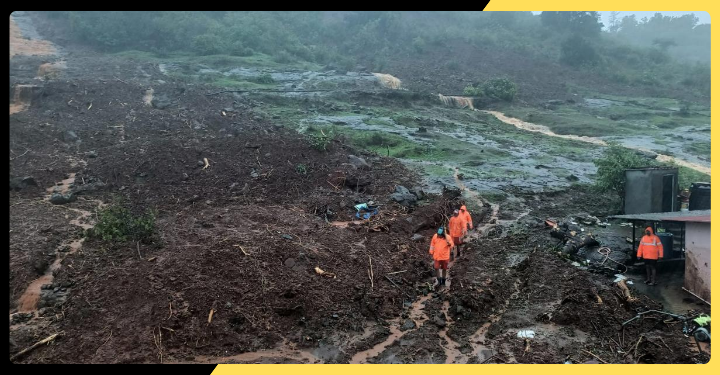
As Maharashtra continues to grapple with one of the most intense monsoon spells in recent years, weather experts and disaster management authorities are closely monitoring evolving atmospheric conditions. Although heavy rainfall is a regular feature of India’s southwest monsoon, the current weather pattern has demonstrated how rapidly extreme rainfall events can escalate into large-scale emergencies. The coming days are expected to remain crucial, with forecasts indicating intermittent spells of moderate to heavy rainfall across several districts, including Mumbai, Palghar, Raigad, Thane, Ratnagiri, and Sindhudurg.
Thank you for reading this post, don't forget to subscribe!Meteorologists have explained that the southwest monsoon remains active over the western coast due to favorable atmospheric conditions over the Arabian Sea. Continuous moisture inflow, combined with seasonal weather systems, is expected to generate additional rainfall in coastal Maharashtra. While rainfall intensity may fluctuate from day to day, experts caution that localized cloudbursts and sudden heavy showers cannot be ruled out, particularly in low-lying coastal areas and the Western Ghats.
One of the primary concerns for authorities is the cumulative impact of continuous rainfall. Even if daily rainfall decreases slightly, already saturated soil and overflowing drainage systems increase the likelihood of flooding, waterlogging, and landslides. Rivers and reservoirs across Maharashtra remain under constant surveillance, as additional rainfall could quickly push water levels beyond danger marks. District administrations are therefore maintaining emergency preparedness despite temporary improvements in weather conditions.
The India Meteorological Department (IMD) has urged citizens to follow official forecasts rather than relying on rumors or unverified social media posts. Weather warnings issued through television, radio, newspapers, official websites, and mobile alerts provide timely information regarding rainfall intensity, flood risks, and safety measures. Authorities have encouraged residents to monitor these updates regularly, especially those living in flood-prone areas or regions susceptible to landslides.
Public safety remains the government’s highest priority as emergency teams continue operating throughout the affected districts. Disaster management officials have advised people to avoid unnecessary travel during periods of heavy rainfall. Flooded roads, overflowing drains, and damaged bridges pose serious risks to both pedestrians and motorists. Drivers are encouraged to avoid driving through waterlogged streets where hidden potholes or strong water currents may lead to accidents.
Residents living near rivers, lakes, streams, dams, and coastal areas have been instructed to remain vigilant. Water levels can rise rapidly following heavy upstream rainfall or controlled releases from reservoirs. Authorities have emphasized that evacuation orders should be followed immediately whenever issued, as early evacuation significantly reduces the risk of casualties during flash floods or landslides.
Safety precautions inside homes are equally important during prolonged rainfall. Citizens have been advised to switch off the main electricity supply if floodwater enters their homes to prevent electrical accidents. Electrical appliances exposed to water should not be used until inspected by qualified technicians. Families are also encouraged to store important documents, medicines, and emergency supplies in waterproof containers placed at higher levels within their homes.
Health experts have warned that the risk of waterborne and mosquito-borne diseases increases significantly after floods. Contaminated drinking water can spread illnesses such as cholera, typhoid, gastroenteritis, and hepatitis, while stagnant water creates ideal breeding conditions for mosquitoes carrying dengue and malaria. Residents are advised to drink boiled or purified water, maintain personal hygiene, dispose of waste properly, and seek medical attention promptly if symptoms such as fever, vomiting, diarrhea, or skin infections develop.
Parents are urged to keep children away from flooded streets, open drains, rivers, and construction sites during the monsoon. Children may not recognize hidden dangers beneath floodwater, including uncovered manholes, sharp debris, or strong currents. Schools and educational institutions are expected to continue following local government advisories regarding closures or online classes whenever severe weather warnings remain in effect.
Farmers across Maharashtra are also preparing for changing weather conditions. Agricultural experts recommend regular field inspections once rainfall subsides to assess crop damage and identify opportunities for recovery. Government departments are expected to continue providing technical guidance and financial assistance to farmers affected by flooding, helping them restore agricultural activities during the remainder of the growing season.
Urban planners and environmental experts believe that recent rainfall events reinforce the need for long-term climate adaptation measures. Improved drainage infrastructure, scientific urban planning, protection of wetlands, river restoration, regular desilting of drainage channels, and stricter enforcement against illegal construction in flood-prone areas are considered essential for reducing future flood risks. Investment in advanced weather forecasting systems and early warning technologies can also strengthen disaster preparedness and improve emergency response.
Community participation will continue to play an important role in recovery efforts. Residents are encouraged to cooperate with civic authorities, participate in neighborhood clean-up campaigns, report blocked drains or damaged infrastructure, and assist vulnerable members of their communities whenever possible. Volunteers and charitable organizations have already demonstrated how collective action can significantly enhance relief operations during natural disasters.
Although the current monsoon has caused widespread disruption and tragic loss of life, it has also highlighted the resilience of Maharashtra’s people and the dedication of emergency responders, healthcare workers, civic officials, and volunteers. Their coordinated efforts have saved countless lives and continue to support recovery across affected districts.
As the state prepares for the remaining weeks of the monsoon season, caution, preparedness, and timely action will remain the keys to minimizing risks. By following official advisories, respecting weather warnings, and working together as communities, Maharashtra can better navigate the challenges posed by extreme weather while strengthening its resilience against future climate-related disasters.


