
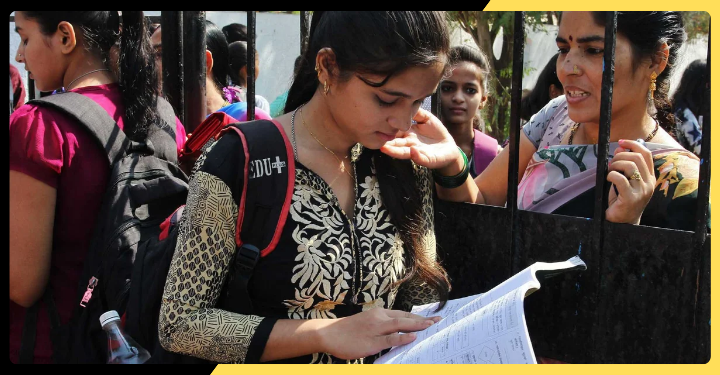
A growing outcry over the examination evaluation process has emerged across India as thousands of students report score discrepancies in major academic and competitive examinations. The controversy has sparked widespread debate about the accuracy of grading systems, the effectiveness of review mechanisms, and the need for greater transparency in educational assessments.
Thank you for reading this post, don't forget to subscribe!The issue gained momentum following the release of results for several important examinations. Soon after scorecards became available, students began sharing concerns about marks they believed were inconsistent with their performance. Complaints spread rapidly through social media platforms, educational forums, and student networks, transforming individual grievances into a nationwide discussion.
Many candidates claim that the marks they received do not match their expectations based on their preparation, examination experience, and previous academic performance. Some students report that they answered questions confidently and anticipated strong results, only to receive scores that were significantly lower than expected. Others have alleged discrepancies between section-wise marks and final totals, raising concerns about potential errors in score compilation.
The reports of score discrepancies have generated significant anxiety because examination outcomes often play a decisive role in shaping students’ futures. Admission to colleges and universities, scholarship eligibility, professional training opportunities, and competitive rankings frequently depend on examination results. Even a small variation in marks can affect a student’s academic trajectory and career prospects.
Students have voiced a variety of concerns regarding the evaluation process. Some allege that correct answers were awarded fewer marks than deserved, while others believe that portions of their answer sheets may not have been assessed properly. In certain instances, students who requested re-evaluation or verification reportedly received revised scores after review, leading many candidates to question whether broader issues may exist within the assessment system.
The possibility of evaluation errors has prompted students to demand greater accountability from examination authorities. Many argue that when examination results have such significant consequences, assessment procedures should be subject to rigorous verification and transparent oversight. Student groups have called for reforms aimed at improving confidence in the system and ensuring that all candidates are evaluated fairly.
Parents have also joined the conversation, expressing concern about the implications of disputed results. Families often invest considerable time, money, and emotional energy in educational preparation. Coaching classes, tutoring programs, examination fees, and study materials represent substantial commitments, making concerns about score accuracy particularly important.
Several student organizations have launched campaigns advocating for improvements in examination administration. Their demands include easier access to evaluated answer sheets, detailed explanations of marking decisions, affordable review procedures, and faster responses to grievances. Supporters argue that transparency is essential for maintaining trust between students and educational institutions.
Educational experts recognize that evaluating millions of answer sheets is a complex undertaking. Large-scale examinations require extensive coordination among examiners, moderators, and administrative staff. While established procedures are intended to ensure fairness and consistency, specialists acknowledge that errors can occasionally occur in systems involving significant human participation.
At the same time, experts emphasize that public confidence in educational assessments depends on the perception that evaluation processes are reliable and accountable. When large numbers of students question their results, authorities may face increasing pressure to demonstrate that appropriate safeguards are in place.
Examination boards and testing agencies have defended their evaluation procedures, highlighting the multiple stages of checking and moderation that typically occur before results are finalized. Officials maintain that examiners follow standardized marking schemes and that quality-control measures are implemented to reduce inconsistencies. They also encourage students to utilize formal review channels if they believe mistakes have occurred.
Despite these assurances, critics argue that existing grievance procedures often present challenges. Students may be required to pay fees for verification requests, and the review process can sometimes take weeks to complete. During this period, candidates may face important admission deadlines or counseling sessions, creating additional stress and uncertainty.
The controversy has also revived discussions about long-term educational reform. Some experts suggest that excessive reliance on single high-stakes examinations increases the impact of any evaluation errors. They advocate for broader assessment models that incorporate coursework, practical assignments, classroom participation, and continuous evaluation throughout the academic year.
Technology is frequently proposed as a means of improving accuracy and reducing disputes. Digital answer-sheet management, automated totaling systems, and artificial intelligence-assisted verification tools could help identify inconsistencies before results are released. Many educational institutions are exploring technological solutions that may enhance efficiency while maintaining fairness.
However, specialists caution that technology should be viewed as a support mechanism rather than a complete replacement for human judgment. Effective oversight, examiner training, and transparent procedures remain critical components of any reliable assessment system.
Beyond administrative concerns, the controversy highlights the emotional challenges faced by students. Examination periods are already associated with considerable pressure, and uncertainty surrounding results can intensify feelings of stress and disappointment. Many candidates argue that a transparent and trustworthy evaluation process is essential not only for academic fairness but also for student well-being.
As the debate continues, educational authorities face growing calls to strengthen accountability and improve communication with students. The current outcry reflects broader concerns about fairness, transparency, and trust in academic assessments.
Whether through improved review procedures, technological innovation, or structural reforms, many stakeholders believe that addressing score discrepancies is essential for maintaining confidence in the examination system. For students whose futures depend on accurate evaluations, ensuring fairness remains a matter of critical importance.