The sentencing of Bashar al-Assad, Maher al-Assad and Atef Najib to death has opened a new chapter in Syria’s turbulent history. The Damascus court’s verdict is being viewed as a landmark moment in the country’s attempt to confront crimes associated with the former regime and establish a system of accountability after years of conflict.
Thank you for reading this post, don't forget to subscribe!The three defendants occupy different positions in the former Assad power structure, but their cases are closely connected.
Bashar al-Assad was Syria’s president for nearly 25 years and became the central figure in the country’s political system. Maher al-Assad, his younger brother, was one of the most influential figures in the military and security establishment. Atef Najib, their cousin, served as a senior security official in Daraa.
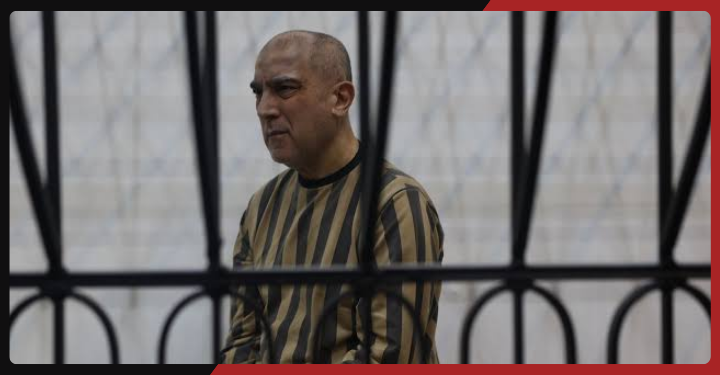
The court sentenced Assad and Maher in absentia because they were not present in Syria. Najib was physically present when the verdict was delivered.
The case against Najib has been closely followed since proceedings began in April. The Fourth Criminal Court in Damascus was selected to hear the case, which focuses on alleged abuses connected to the suppression of protests in Daraa in 2011.
That year remains central to Syria’s modern history.
The uprising began with peaceful demonstrations, but the security response intensified tensions. Daraa became a symbol of resistance after teenagers were detained following anti-government graffiti. Reports that the children had been tortured contributed to anger that spread beyond the city.
The resulting conflict eventually lasted more than a decade and involved government forces, opposition fighters, extremist groups and international militaries.
The humanitarian consequences were enormous. Hundreds of thousands of people died, while millions were displaced inside and outside Syria. Communities were destroyed and the country’s economy and infrastructure suffered severe damage.
The latest verdict is therefore being viewed through the experiences of millions of Syrians.
For families of victims, the proceedings may provide a sense that the suffering of the past is finally being addressed through an official judicial process. Families from Daraa attended earlier hearings against Najib, and international legal and human rights observers also monitored the proceedings.
But the process is not without controversy.
A major question concerns trials in absentia. Bashar al-Assad and other former officials are outside Syria, meaning that even a death sentence cannot automatically be implemented. Earlier proceedings formally recognized the absence of several defendants and placed their assets under state administration.
Another issue concerns the legal framework of transitional justice.
The Syrian Network for Human Rights has argued that the proceedings raise questions about the classification of crimes, the legal basis for prosecution, individual criminal responsibility and guarantees for defendants.
These concerns will be crucial as Syria considers additional prosecutions.
The country’s new authorities face a difficult balancing act. Victims want accountability, while the justice system must demonstrate that punishment is based on evidence and law rather than political revenge.
The outcome could shape the legitimacy of Syria’s post-Assad institutions.
If future trials are transparent and legally robust, the process could help restore confidence in the courts and provide victims with an official avenue for justice. If the process is perceived as unfair, it could undermine the same institutions that Syria is attempting to build.
The international community will also watch closely. Crimes committed during the Syrian conflict have already been investigated by international organizations and human rights groups, and some countries have pursued Syrian suspects under domestic jurisdiction.
The Syrian proceedings could complement those efforts by establishing a national judicial record.
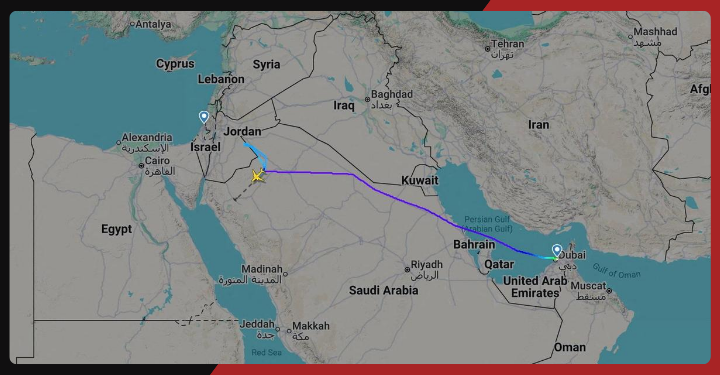
For Bashar al-Assad, however, the immediate practical consequences remain limited by his location in Russia. For Maher al-Assad, the same problem applies. Atef Najib’s case is different because he has been arrested and tried within Syria.
Ultimately, the historic importance of this verdict will depend on what happens next.
The death sentence may satisfy some demands for accountability, but Syria’s justice challenge is much larger. Thousands of cases involving disappearances, detention, torture and killings remain unresolved. Victims still need answers, families still need information and the country must determine how to address crimes committed by multiple sides during the conflict.
The Assad verdict is therefore not the end of Syria’s transitional justice process. It is the beginning of a much larger test.
The central question now is whether Syria can build a justice system strong enough to deal with its violent past while laying the foundations for a more stable future.