
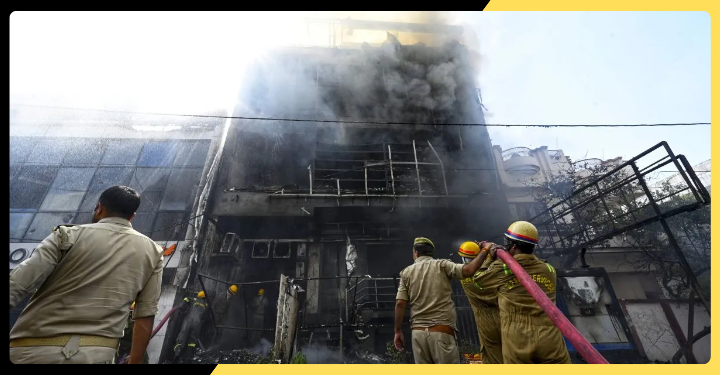
The devastating fire in Lucknow has become a defining moment in the city’s ongoing conversation about safety, governance, and accountability. Beyond the immediate damage, the incident has prompted a wider examination of how urban systems function and where improvements are needed.
Thank you for reading this post, don't forget to subscribe!Every major disaster carries lessons. In this case, one of the most important lessons concerns the need for continuous vigilance. Safety regulations cannot remain effective unless they are actively enforced and regularly reviewed.
Accountability is another critical issue. Determining whether regulations were followed, inspections were conducted, and responsibilities were fulfilled will be central to restoring public confidence. Transparent investigations are essential for achieving this objective.
Prevention must also become a priority. Investments in fire protection infrastructure, emergency preparedness programs, and public awareness initiatives can reduce risks and improve outcomes during emergencies. Building owners and occupants alike have important roles to play in maintaining safe environments.
Reform discussions are likely to continue long after the investigation concludes. Experts recommend stronger compliance mechanisms, modern monitoring technologies, and enhanced coordination among regulatory agencies. Such measures could help create a more resilient urban environment.
The Lucknow blaze is a reminder that development and safety must advance together. Economic growth and urban expansion cannot be considered successful if they leave communities vulnerable to preventable disasters. By learning from this tragedy and implementing meaningful reforms, authorities can help ensure that similar incidents become far less likely in the future.


