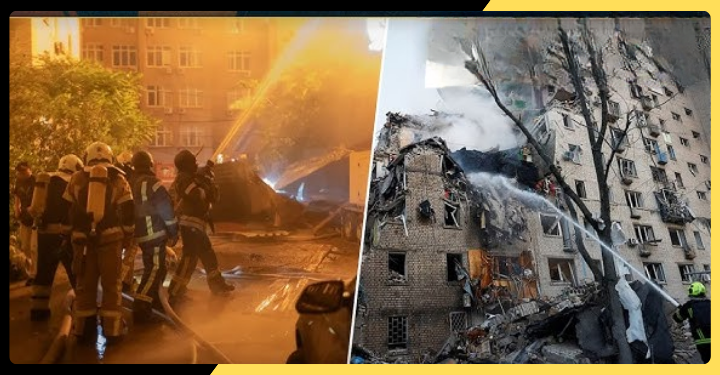
The latest Russian missile and drone attack on Kyiv, which left at least eight people dead and dozens injured, underscores the continuing intensity of the Russia–Ukraine war and the challenges facing both sides as the conflict continues. Coming after President Volodymyr Zelenskyy warned of a possible large-scale strike, the attack has renewed international attention on the security situation in Ukraine and the broader implications for regional and global stability.
Thank you for reading this post, don't forget to subscribe!Military analysts say the strike reflects the ongoing importance of long-range aerial warfare in the conflict. Even as fighting continues along various parts of the front line, missile and drone attacks remain a key feature of the war. These operations can target locations far from active combat zones, placing major cities and civilian infrastructure under constant threat. Ukraine has significantly improved its air defense capabilities with international support, but officials acknowledge that repeated, large-scale attacks continue to test those defenses.
The latest assault also highlights the growing role of technology in modern warfare. Both Russia and Ukraine have expanded their use of drones for reconnaissance, surveillance, and strike missions. Missile systems, electronic warfare, satellite intelligence, and advanced air defense technologies have become increasingly important, making the conflict one of the most closely watched examples of evolving military strategy in the 21st century.
For Ukraine, strengthening national defense remains a top priority. The government continues to seek additional air defense systems, interceptor missiles, intelligence cooperation, and financial support from international partners. Ukrainian leaders argue that protecting civilian populations and critical infrastructure requires sustained military assistance as long as the threat of missile and drone attacks continues.
Russia, meanwhile, has maintained pressure through continued aerial operations and military activities across multiple regions. Analysts believe Moscow is attempting to maintain strategic leverage while influencing developments both on the battlefield and in the diplomatic arena. However, experts differ on how effective these tactics will be in shaping the long-term course of the conflict.
Diplomatic efforts remain uncertain despite repeated international calls for negotiations. While various countries continue encouraging dialogue, significant differences remain over issues such as territorial control, security arrangements, and conditions for any future peace agreement. As a result, there is currently no clear indication of when meaningful negotiations might resume or produce lasting results.
The humanitarian consequences of the war continue to expand with each new attack. Millions of Ukrainians have experienced displacement, property damage, interrupted education, and limited access to healthcare and public services. Humanitarian organizations continue to provide emergency relief while also preparing for the long-term challenges of rebuilding communities affected by years of conflict.
Economic recovery presents another major challenge. Damage to housing, transportation networks, power facilities, and industrial infrastructure has created significant financial costs. Experts believe reconstruction will require extensive international cooperation, investment, and sustained support over many years. Restoring normal economic activity while addressing ongoing security concerns will remain a difficult balancing act for Ukraine.
International support continues to play a central role in Ukraine’s response. Many governments have reaffirmed their commitment to humanitarian assistance, economic aid, and defensive cooperation. At the same time, policymakers continue debating the most effective ways to promote stability while reducing the risks of further escalation. These discussions are likely to remain an important part of international diplomacy in the months ahead.
Despite the continuing violence, Ukrainian society has demonstrated remarkable resilience. Emergency responders, healthcare workers, volunteers, local authorities, and ordinary citizens have repeatedly adapted to difficult circumstances while maintaining essential services and supporting affected communities. Their efforts have helped reduce the impact of repeated attacks and strengthened national solidarity during an exceptionally challenging period.
Looking ahead, security analysts caution that the conflict may continue to evolve as both sides adapt their military strategies and technologies. The effectiveness of air defenses, developments on the battlefield, international political decisions, and future diplomatic initiatives will all influence the direction of the war. While predicting the outcome remains difficult, the latest strike illustrates that civilians continue to face significant risks as the conflict persists.
The attack on Kyiv serves as a reminder that the human cost of war extends far beyond military objectives. Families mourn lost loved ones, rescue workers continue searching through damaged buildings, and communities begin rebuilding even before previous destruction has been fully repaired. As Ukraine moves forward, the determination of its people, combined with ongoing international engagement and humanitarian support, will remain central to the country’s efforts to recover while pursuing a more secure and peaceful future.