
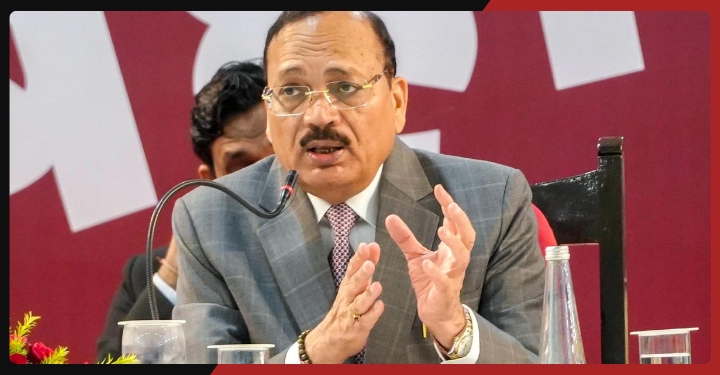
Chief Justice of India Surya Kant’s decision to decline a meeting with INDIA bloc leaders has renewed discussion about how citizens and political representatives can approach the Supreme Court to raise constitutional concerns. The request, made by Congress president Mallikarjun Kharge and Leader of Opposition Rahul Gandhi, concerned alleged electoral irregularities, the revision of voter lists, and the treatment of protesters in Delhi.
Thank you for reading this post, don't forget to subscribe!According to reports published on October 12, the Chief Justice maintained that the issues raised by the opposition should be addressed through appropriate legal procedures. Reports also indicated that related matters were already under consideration by the Supreme Court. The decision therefore focused attention on the distinction between an informal meeting with the Chief Justice and a formal judicial proceeding.
The Supreme Court occupies a central position in India’s constitutional system. It hears disputes involving constitutional interpretation, fundamental rights, and other matters within its jurisdiction. Its decisions can affect individuals, political parties, public authorities, and the functioning of democratic institutions.
However, access to the judiciary follows established procedures. Individuals and organisations seeking judicial relief generally need to submit appropriate petitions or applications, explain the legal basis of their claims, and provide relevant supporting material. The court then determines how the matter should be handled under the applicable rules.
Political leaders have the same responsibility to follow appropriate legal procedures when seeking judicial intervention. Their public positions may make an issue nationally significant, but political prominence does not replace the legal requirements governing a case.
The INDIA bloc’s proposed memorandum concerned several contentious issues. These included allegations described by opposition parties as vote theft, demands for a halt to the Special Intensive Revision of electoral rolls, calls for Chief Election Commissioner Gyanesh Kumar to resign, and proposals to return to paper ballots.
The opposition also wanted to highlight concerns about the handling of recent demonstrations. Those issues raise questions about electoral administration, the protection of democratic rights, and the responsibilities of public authorities.
Each question may require a different legal approach. A challenge to voter-list procedures may involve election laws and official records, while a complaint about police conduct may require an examination of the circumstances surrounding a particular incident. The court’s role is to consider the issues presented before it and apply the relevant legal principles.
The refusal to hold the requested meeting should not be treated as a decision on the truth of the opposition’s allegations. It does not establish whether electoral irregularities occurred or whether particular official actions were unlawful. Such conclusions would require an appropriate examination of the facts and law.
The episode also highlights the importance of public confidence in the judiciary. Courts must remain accessible to people seeking justice while protecting judicial decision-making from improper influence. Clear procedures help ensure that cases are considered according to legal standards rather than political pressure or personal access.
At the same time, transparency in institutional communication is important. When significant public concerns arise, citizens benefit from clear explanations about available legal remedies and the responsibilities of the institutions involved. Political parties can contribute by presenting specific allegations and pursuing evidence-based challenges.
The next stage of the dispute will depend on the opposition’s decisions regarding public demonstrations and formal legal proceedings. Any petitions filed will have to be considered according to the Supreme Court’s procedures and applicable law.
Ultimately, the central issue is not simply whether the Chief Justice meets political leaders. It is whether legitimate legal grievances can be brought before the appropriate forum and examined fairly. The independence of the judiciary and the availability of lawful remedies remain essential elements of India’s constitutional democracy.


