
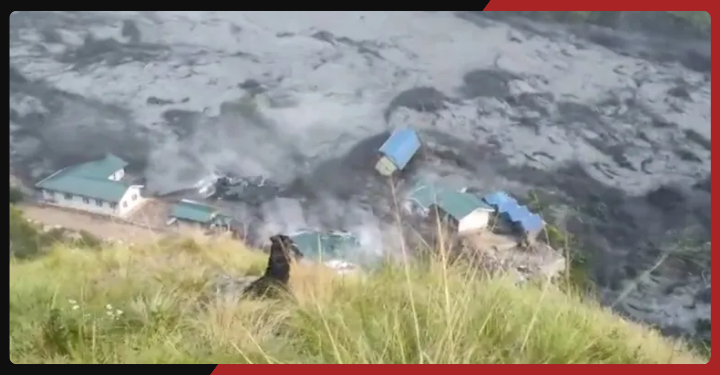
A possible landslide-triggered river blockage is being investigated as the cause of a powerful flash flood that swept through central Nepal on Sunday, October 11. The disaster struck the Gorkha district, where houses and bridges were washed away and infrastructure along the Budhi Gandaki River was damaged.
Thank you for reading this post, don't forget to subscribe!The flooding illustrates how a landslide can trigger a major disaster even without a conventional river overflow caused by prolonged rainfall. When earth and rocks fall into a river channel, they can temporarily obstruct the flow of water. If the obstruction holds back a large volume of water and subsequently collapses, a sudden surge can travel downstream with considerable force.
According to preliminary information reviewed by the International Centre for Integrated Mountain Development, the latest flood may have resulted from the failure of a temporary blockage created by a landslide near Chumchet in Gorkha district. Flooding was estimated to have begun at around 4 a.m. local time. The exact cause remains subject to further investigation.
The flood carried mud, sediment and debris through the Budhi Gandaki corridor, damaging buildings and transport infrastructure. Several reports described houses being swept away, multiple bridges being destroyed and a hydropower project site suffering damage. The full scale of the destruction was still being established as emergency teams continued their work.
At least five people were reported missing in initial official accounts. Rescue teams, including personnel from the Nepal Army and other security agencies, were deployed to search affected areas and evacuate residents. Helicopters supported the emergency response, helping responders reach locations where road access was limited or damaged.
Authorities issued warnings to residents along the Budhi Gandaki River and connected waterways. People were advised to leave vulnerable riverbanks, move to higher ground and follow instructions from local officials. The warnings reflected concern about changing water levels and the danger facing communities downstream.
The incident also demonstrates why monitoring mountain slopes and river channels is important. Landslides can occur in steep terrain and introduce large amounts of rock and soil into waterways. A blockage may not immediately appear to pose a threat to downstream settlements, but water accumulating behind it can create dangerous conditions.
Monitoring systems that identify unusual changes in river flow, landslide activity or water levels could help authorities assess potential risks. However, detecting a temporary natural dam and predicting when it might fail can be difficult. Effective preparedness therefore also depends on clear communication, accessible evacuation routes and residents understanding how to respond to emergency warnings.
The consequences of the latest flood extend beyond the immediate loss of houses. Destroyed bridges can isolate villages, while damage to roads and hydropower infrastructure can interrupt transport, construction and essential services. Families who have lost their homes may require temporary shelter, food, drinking water and longer-term assistance.
Nepal has experienced other devastating flood and landslide emergencies in recent months, leaving communities facing difficult recovery efforts. The latest incident adds to concerns about disaster resilience in mountainous regions, where steep slopes, powerful rivers and settlements located close to waterways can combine to create significant risks.
Experts and authorities will need to establish precisely how the blockage formed, how it failed and which areas remain vulnerable. A detailed assessment could help improve future monitoring and emergency planning.
For now, the immediate priorities are locating missing people, protecting residents in downstream settlements and assessing damage to essential infrastructure. The disaster serves as a warning that landslide-related flooding can develop suddenly and that preparedness, timely alerts and rapid evacuation are essential to reducing the risk to human life.