
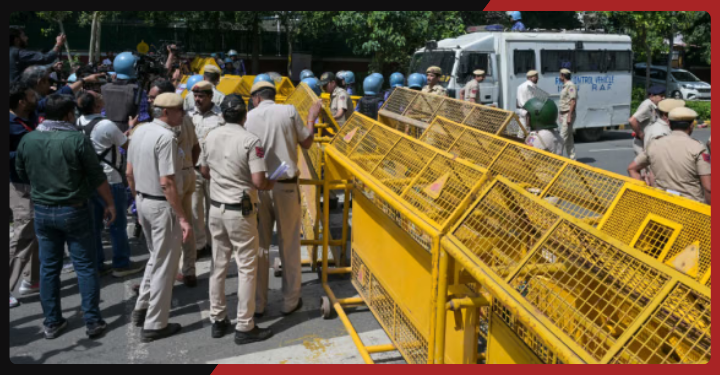
New Delhi, October 10, 2026: The planned demonstration against Chief Election Commissioner Gyanesh Kumar has intensified debate over voter-list revision and the accountability of India’s electoral institutions. Activists associated with the Cockroach Janta Party (CJP) and supporting organisations called for the CEC’s resignation, arguing that concerns surrounding the Special Intensive Revision (SIR) of electoral rolls required a stronger public response.
Thank you for reading this post, don't forget to subscribe!The protest unfolded amid heightened security in the national capital. Several demonstrators were reportedly detained or removed by police, while the reported detention of YouTuber Dhruv Rathee before the gathering drew additional public attention.
Activists Question the Voter-List Process
The main issue behind the demonstration is the revision of electoral rolls. Such revisions are intended to keep voter records accurate, but they can become contentious when citizens or political groups question how entries are added, corrected or removed.
Protest organisers have alleged that the process raises concerns about the possible deletion of eligible voters. They have called for transparency, reliable explanations and safeguards to ensure that citizens are not unfairly excluded from the electoral process.
These allegations have not been established simply by the fact that a demonstration took place. Assessing them requires examination of official voter records, documented cases and the rules governing the revision exercise.
Demands for Electoral Accountability
The protesters’ call for Gyanesh Kumar’s resignation reflects their dissatisfaction with the Election Commission’s handling of the controversy.
For many participants, the dispute extends beyond individual voter registrations. They see it as a question of public confidence in the institution responsible for administering elections.
A credible electoral system depends on accurate records, consistent procedures and accessible ways to challenge mistakes. Citizens should be able to understand why an entry has been changed and how to seek a correction when they believe an error has occurred.
At the same time, accusations against public officials should be evaluated through evidence and established legal processes rather than treated as proven solely because they are repeated during political demonstrations.
Police Restrictions and Reported Detentions
Authorities increased security around Jantar Mantar and other important areas before the planned gathering. Reports described barricades, extensive personnel deployments and restrictions affecting transport services.
Dhruv Rathee was reportedly detained from his residence in Gurugram ahead of the demonstration. Several other protesters were also reported to have been detained or removed from the area.
The available reporting did not establish every detail of Rathee’s detention, including the complete legal grounds or whether formal charges were filed. Those details require official clarification.
The handling of protesters has revived debate over the balance between public safety and the right to peaceful assembly. Police may enforce lawful restrictions, but the circumstances and legal basis of individual detentions remain important considerations.
Effects on Everyday Life
The security arrangements affected the movement of people across parts of Delhi. Reports of metro restrictions, traffic diversions and changes to rail services meant that commuters needed to monitor official announcements.
Such disruptions can affect people who have no connection with the protest. Clear advisories, advance notice and regular updates help passengers plan journeys and reduce unnecessary confusion.
The Need for Verifiable Information
The controversy illustrates the importance of reliable information during politically sensitive events. Unverified claims about detention numbers, legal action or voter-list changes can spread rapidly and make it difficult for the public to distinguish fact from speculation.
Authorities should communicate clearly about restrictions and detention procedures. Protest organisers should also explain their demands accurately and avoid presenting unverified allegations as established conclusions.
The Election Commission can help address the underlying controversy by making relevant procedures understandable and ensuring that voters know how to check and correct their registration details.
A Wider Test of Democratic Confidence
The Delhi demonstration brings together two connected questions: how citizens can challenge decisions they consider unfair and how authorities should respond when protests create security concerns.
Public confidence depends on both transparent institutions and lawful, proportionate policing. Peaceful dissent allows citizens to raise concerns, while reliable electoral procedures help ensure that those concerns can be examined constructively.
The long-term significance of the protest will depend on what follows the demonstrations. Clear answers about the electoral-roll revision process, evidence-based examination of disputed cases and transparent explanations of police action could help reduce tensions.
For now, the demands for electoral accountability remain a major point of political debate, with the rights of voters and the handling of public demonstrations at the centre of the discussion.