A proposed 12.5% tariff by the United States on selected imports has triggered a fresh round of trade discussions with India, as New Delhi pushes for negotiations instead of new trade barriers. Indian officials have urged Washington to reconsider the proposal, arguing that stronger bilateral engagement would better serve the economic interests of both countries and help preserve the momentum of their expanding strategic partnership.
Thank you for reading this post, don't forget to subscribe!The latest development comes at a time when India and the United States are experiencing record levels of bilateral trade and investment. Over the past decade, economic ties have grown rapidly across sectors including information technology, pharmaceuticals, engineering goods, agriculture, energy, electronics, defense manufacturing, and digital services. Policymakers in both nations have repeatedly highlighted the importance of maintaining a stable and predictable trade environment to encourage long-term business growth.
India has expressed concern that the proposed tariff could create additional costs for exporters and reduce the competitiveness of Indian products in the American market. Export-oriented industries fear that higher duties may affect demand, particularly in sectors where price competitiveness plays a major role. Businesses have therefore called on both governments to resolve the issue through dialogue rather than unilateral trade measures.
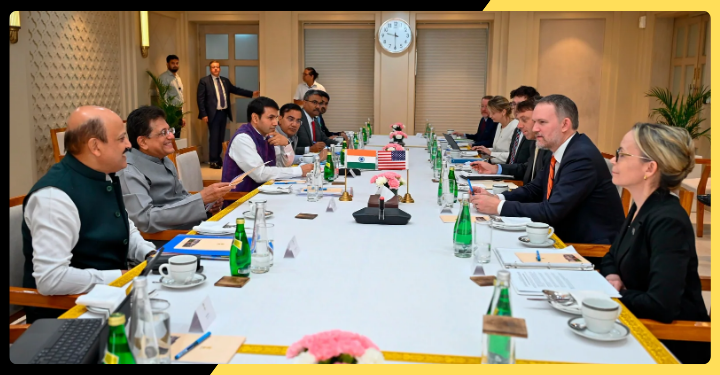
Officials familiar with the discussions have indicated that India is seeking comprehensive bilateral negotiations covering not only the proposed tariff but also broader trade and investment issues. These discussions may include market access, customs procedures, product standards, digital commerce, intellectual property rights, and investment facilitation. Indian policymakers believe that addressing these issues together could strengthen long-term commercial relations between the two countries.
Trade experts say the situation reflects the evolving nature of global economic partnerships, where disagreements over tariffs are often resolved through sustained diplomatic engagement. India and the United States have successfully managed similar trade differences in previous years by maintaining open communication and pursuing mutually beneficial solutions. That experience has created optimism among industry leaders that the current dispute can also be settled through constructive negotiations.
Business organizations from both countries have welcomed continued dialogue between trade officials. They argue that stable economic policies are essential for attracting investment, expanding manufacturing, and strengthening international supply chains. Companies operating across borders rely on predictable regulations to plan production, manage costs, and develop long-term business strategies.
Analysts have also pointed out that higher tariffs could affect companies in the United States that depend on imports from India. Many American manufacturers, retailers, and technology firms source products and components from Indian suppliers as part of integrated global supply chains. Additional duties could increase production expenses and ultimately influence prices for consumers, making a negotiated solution beneficial for businesses in both countries.
India has consistently promoted itself as a reliable global manufacturing and investment destination. Government initiatives aimed at improving infrastructure, encouraging domestic production, simplifying regulations, and attracting foreign investment have strengthened the country’s position in international trade. Closer economic cooperation with the United States remains an important part of India’s broader strategy to expand exports and integrate more deeply into global value chains.
The ongoing discussions also underline the strategic importance of India-US relations beyond traditional trade. The two countries have increased cooperation in areas such as semiconductor manufacturing, artificial intelligence, renewable energy, defense technology, healthcare, education, and critical minerals. These partnerships have reinforced economic ties while supporting shared geopolitical and technological interests.
Economists believe the current negotiations could become an opportunity to advance a more comprehensive bilateral trade framework. Such an agreement could reduce future trade disputes, improve market access for businesses, encourage cross-border investments, and provide greater certainty for exporters. A long-term framework would also strengthen resilience against future economic disruptions by promoting closer cooperation between the two economies.
As diplomatic discussions continue, businesses, investors, and trade experts will closely monitor developments. Both governments have reiterated their commitment to maintaining strong economic relations despite differences over specific trade policies. The outcome of the negotiations will play a significant role in shaping future India-US commercial ties and could influence broader global trade dynamics. A successful resolution would reinforce confidence in bilateral cooperation, support sustainable economic growth, and further strengthen the partnership between two of the world’s leading democratic economies.