The latest US-mediated peace negotiations between Ukraine and Russia have renewed international attention on efforts to end one of Europe’s most devastating conflicts.
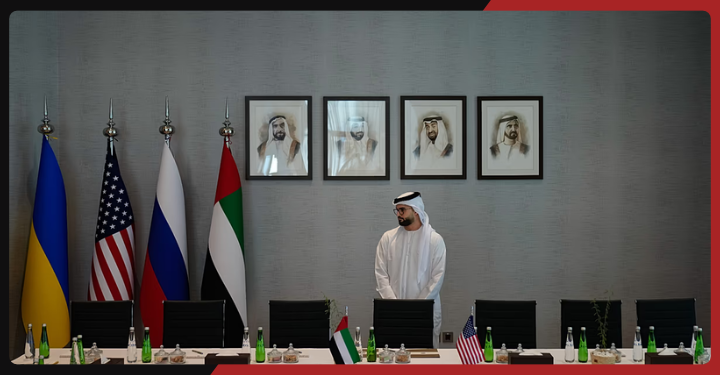
Thank you for reading this post, don't forget to subscribe!The two countries entered a second day of discussions in Abu Dhabi on November 11, with representatives examining territorial disputes, security guarantees, humanitarian arrangements and possible ceasefire measures.
The meetings are particularly significant because they represent the first trilateral negotiations between Ukraine, Russia and the United States since February.
The American administration is attempting to restart diplomatic momentum after previous negotiations failed to produce a comprehensive settlement.
Ukrainian President Volodymyr Zelenskyy welcomed the initial discussions, describing them as constructive and substantive. US Secretary of State Marco Rubio also offered a positive assessment of the diplomatic engagement.
However, positive statements have not yet translated into a major political breakthrough.
The biggest disagreement remains the future of Ukrainian territory. Russia continues to demand control over parts of eastern Ukraine, including areas that remain under Ukrainian administration.
Kyiv has rejected these demands and insists that territorial integrity must remain a central principle of any peace agreement.
The territorial question is especially sensitive because accepting Russian demands could have long-term consequences for Ukraine’s sovereignty and national security.
Another major challenge is establishing security guarantees. Ukraine wants international commitments that would protect the country against another Russian military offensive.
American negotiators have discussed possible arrangements involving military disengagement, ceasefire monitoring and post-war security cooperation.
European governments are also seeking a greater role in the process. Ukraine believes that countries such as Britain, France and Germany must participate in discussions about the continent’s future security.
The United States has shown support for broader international involvement, although Russia has expressed reservations about European participation in direct negotiations.
One of the more encouraging developments has come from humanitarian discussions.
During the two-day negotiations, both sides agreed to move towards a major prisoner exchange. American negotiators described the proposed arrangement as an important humanitarian achievement, although the final numbers still required confirmation.
Such an exchange could provide relief to thousands of families affected by the conflict.
The negotiations have also raised the possibility of additional agreements concerning detained civilians and other humanitarian concerns.
Nevertheless, the military situation remains difficult. Attacks have continued while diplomatic representatives have been meeting, demonstrating that neither side has yet agreed to a comprehensive halt in fighting.
The war has affected energy supplies, agricultural exports, international shipping and the wider European economy. A peaceful settlement could therefore have significant global consequences.
The Black Sea is another important area of discussion because security in the region is essential for international trade and food shipments.
Washington is now attempting to build on the discussions by maintaining direct communication with both governments. American representatives Steve Witkoff and Jared Kushner have been expected to continue their diplomatic engagement with Russian and Ukrainian leaders.
The coming diplomatic meetings could help clarify whether the current negotiations have produced enough common ground for a broader agreement.
However, a lasting settlement will require difficult decisions from both Moscow and Kyiv. Territorial concessions, military arrangements and security commitments cannot be resolved through positive statements alone.
For Ukraine, the priority is preserving national sovereignty and preventing another invasion. For Russia, the negotiations involve its territorial and strategic demands.
For the United States and European countries, the challenge is finding a settlement that can bring an end to the fighting without creating another source of instability.
The Abu Dhabi negotiations have not ended the war, but they have reopened an important diplomatic channel.
Whether this renewed engagement becomes the beginning of a lasting peace or another unsuccessful attempt will depend on the willingness of both countries to move beyond their existing positions.
For millions of people affected by the conflict, the hope remains that diplomacy can eventually succeed where years of fighting have failed.