
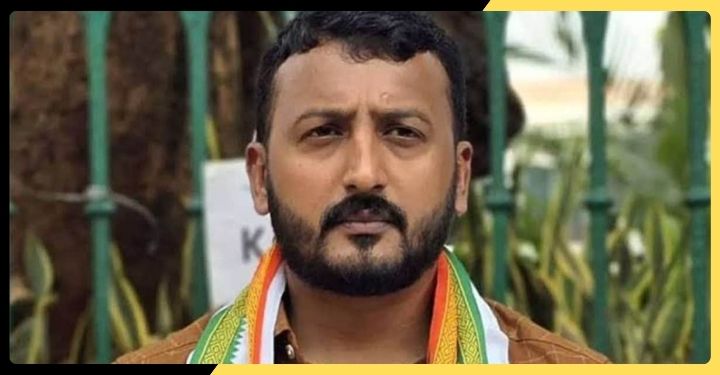
The arrest of Kerala MLA Rahul Mamkootathil in connection with a third rape complaint has reignited an intense debate across the state on the misuse of political power, the challenges faced by survivors of sexual violence, and the mechanisms available to hold elected representatives accountable. The latest complaint, which includes allegations of rape and coercion, has further complicated an already high-profile legal and political saga.
Thank you for reading this post, don't forget to subscribe!Law enforcement officials confirmed that Mamkootathil was taken into custody following the registration of a fresh First Information Report. The complainant alleged that the MLA exploited her trust and subjected her to sexual assault over a period of time. She also accused him of exerting pressure and control, claiming that his political influence made it difficult for her to seek help earlier.
The police action follows weeks of legal manoeuvring by the accused in earlier cases, including applications for anticipatory bail and challenges to police procedures. Authorities stated that the new complaint provided sufficient grounds for arrest and that the investigation would proceed without delay. Mamkootathil was subsequently remanded to judicial custody after being produced before a court.
The case has cast a long shadow over Kerala’s political environment. Mamkootathil, once considered a rising figure within the Congress party, was expelled after the earlier allegations surfaced. Party leadership has repeatedly stated that the decision was taken to uphold organisational values and to send a clear message that allegations of sexual violence would not be taken lightly.
However, the controversy has extended beyond party lines. Leaders from rival political formations have used the case to question the moral authority of elected officials and to demand stronger safeguards against the abuse of power. At the same time, some have warned against politicising the issue, arguing that justice for survivors should not become a tool for partisan point-scoring.
Civil society organisations have been particularly vocal following the arrest. Women’s rights groups have organised discussions and protests, calling attention to the structural barriers that often prevent survivors from coming forward, especially when the accused is a powerful public figure. They have urged the government to ensure witness protection, speedy trials, and trauma-informed investigative practices.
Legal analysts point out that multiple complaints against a single individual can significantly influence the course of an investigation, but stress that each case must be evaluated on its own merits. The courts will ultimately determine whether the evidence supports the charges, and whether the accused is guilty under the law.
Within the legislative assembly, the arrest has triggered conversations about ethical standards and accountability. Some lawmakers have called for clearer rules governing the conduct of legislators facing serious criminal charges, including temporary suspension from legislative duties. Others maintain that any such measures must align with constitutional provisions and avoid setting dangerous precedents.
Public discourse around the case has also highlighted the emotional cost borne by complainants. Survivors who speak out against influential individuals often face public scrutiny, character assassination, and prolonged legal battles. Advocates argue that the courage required to file complaints in such circumstances cannot be overstated and deserves institutional respect and protection.
As investigators continue their work, the spotlight remains firmly on both the legal process and the political response. For many observers, the case represents a critical test of whether the justice system can function independently when allegations involve those in positions of power.
The coming weeks are expected to be crucial, as courts consider bail pleas and investigators move closer to filing charge sheets. Regardless of the final outcome, the arrest of Rahul Mamkootathil in a third rape case has already left a lasting impact on Kerala’s public discourse, reinforcing the urgent need for accountability, transparency, and survivor-centric justice in cases involving sexual violence.


