Cockroach Janta Party founder Abhijeet Dipke has issued his strongest political warning yet in the campaign against Chief Election Commissioner Gyanesh Kumar, saying that the movement could move toward Prime Minister Narendra Modi if Kumar does not leave office.
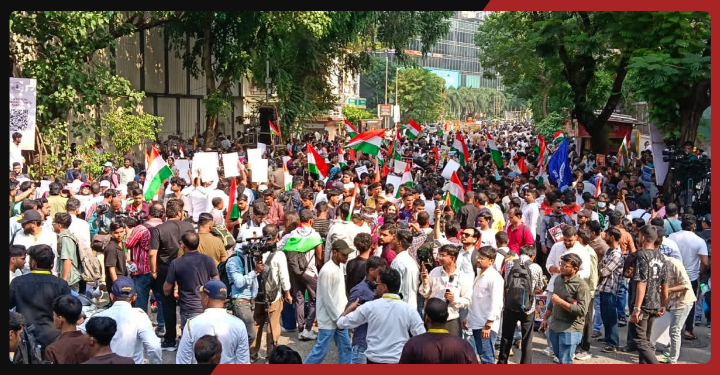
Thank you for reading this post, don't forget to subscribe!The statement was made during a CJP protest at Mumbai’s Shivaji Park, where supporters gathered to demand Kumar’s resignation. Dipke’s comments came amid a continuing dispute over the Election Commission’s handling of electoral-roll revisions and the Special Intensive Revision process.
Dipke has argued that the Election Commission must be held accountable for decisions concerning voter lists. His campaign has focused on allegations that large numbers of names have been removed or affected during electoral-roll revision.
However, the allegations remain politically contested. The Election Commission has rejected claims that its procedures are intended to benefit the ruling BJP and has defended the legality of the revision process. Reuters reported that the commission has maintained that its actions were lawful amid criticism from opposition parties and campaign groups.
The controversy has been intensified by reports of internal disagreements. The Indian Express reported that Election Commissioners Sukhbir Singh Sandhu and Vivek Joshi had raised objections to decisions associated with the SIR process on multiple occasions. The reports have contributed to questions about how decisions are made within the commission.
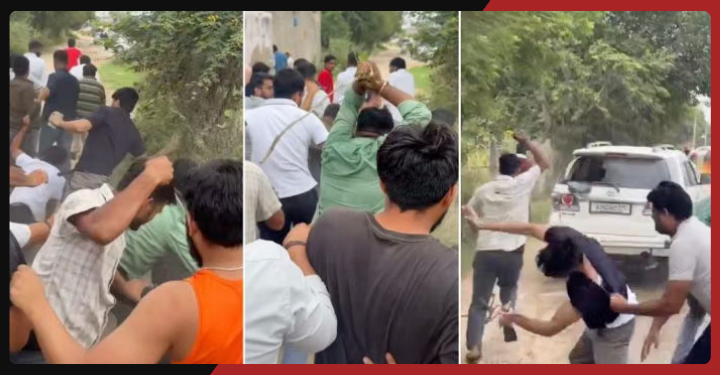
Against this background, Dipke has made Kumar the principal target of his campaign. The CJP has announced further demonstrations and warned that it will continue its agitation if its demand is not met.
The organisation has also announced a proposed October 10 protest in Delhi. Dipke has said that supporters from different parts of the country could travel to the capital for the demonstration. The announcement follows earlier protests in Delhi, during which hundreds of demonstrators were reportedly detained.
The campaign has attracted attention from sections of civil society and the entertainment industry. At the Mumbai demonstration, reports said that actors and other public figures participated or expressed support for concerns about electoral transparency.
Dipke’s warning involving Modi marks an escalation because it shifts the focus from the Election Commission to the political leadership of the Union government. His statement represents the CJP’s political position; it is not an official decision by any constitutional authority or court.
The controversy also highlights the wider importance of electoral-roll management. Voter lists must be updated regularly because people move, die, change addresses or become newly eligible. At the same time, procedures must provide safeguards so that eligible citizens are not wrongly removed and have an opportunity to correct records.
That balance has become central to the political dispute surrounding SIR. Supporters of the revision process emphasise the need for accurate electoral rolls, while critics are demanding stronger transparency and safeguards.
The Election Commission is now facing scrutiny from several directions: political parties, civil-society organisations, protest groups and the public. The commission’s future explanations and actions will therefore be closely watched.
For the CJP, the campaign against Kumar has become a major test of its ability to mobilise supporters around electoral issues. For the Election Commission, the controversy presents a challenge to public confidence in its procedures.
Dipke’s statement has ensured that the political stakes are now higher. Whether Kumar responds to the resignation demand, whether further protests take place in Delhi and how authorities handle them will determine the next stage of the confrontation.
For now, the core dispute remains centred on electoral-roll revision and accountability. Dipke’s warning about Modi represents a broader political demand arising from that dispute, while the factual questions surrounding the SIR process remain matters for evidence, official records and institutional review.